Phew! November was a sprint! We all did something truly amazing over those thirty days, and that’s something to celebrate… but, first, I personally could use a nap.
So, why do I still feel like I should be racing to hit my daily word goal? Why are my characters still running through my mind? Why am I still dreaming about my plot holes? Doesn’t my brain understand that I did the thing, and now I would like to turn it off for a while please?
We don’t talk a lot about the comedown from NaNoWriMo. Shifting from daily writing sprints back into your real-world responsibilities can be a bit of a culture shock, especially if you spent the last few days of the month writing huge amounts of words to hit your goal. It can almost feel a bit like a hangover, for those of you over the legal drinking age—a writing hangover.
So what can you do? How do you ease yourself back into normal life, balancing the many things you’re still carrying with you from November?
The first thing I recommend is to put the draft down. Even if you’re wanting to keep up a regular writing routine, your brain just did something hard. I urge you to take a break, whether that’s just a couple of days, a week, a month or more. Maybe even add a reminder in your calendar–how soon do you want to come back to this story? Do you want to come back to it? (Note: This is a judgement-free blog; all answers are valid.)
Then, before you lock the filing cabinet on your story: write yourself a note. Save it in the same folder as your draft, or right at the top of your working document so you know where to find it later. In it, jot down any lingering ideas you want to make sure you remember. What are your biggest plot issues? What are some things you already know you need to fix? Which of your many messy outlines is the real one? Trust me, your future self will thank you.
Alright. We’ve handled the story. Now let’s talk about YOU.
- First… rest. In whatever way you need. Get a little extra sleep. Drink some water. Move your body (because if you’re anything like me, you probably spent a lot of time sitting in a comfy chair in November, so maybe this month you should add in some extra walks). Cook yourself a good meal (bonus points for vegetables).
- Then, look around your space. What’s the state of your office, your desktop, your inbox? When was the last time you cleaned your kitchen or opened the mail? How many unread text messages do you have? Give some attention to the things you might have been ignoring for the last month. Don’t forget to say hello to your partner, or your kids, or your pets, or your plants (they probably miss you)!
- Now’s the fun part: it’s time to reclaim your hobbies! Go outside, play a game, read a book, catch up on your favorite TV show. Make plans with a friend. Find some fun winter activities going on in your area. Let loose! And stretch your shoulders, because you’re looking a little hunched. It happens after leaning over a laptop all month.
Okay. Have you done all of those things? Do you promise? Because only after you’ve reintegrated yourself back into your life, should you even consider thinking about editing. Alright, if you really pinky promise that you’re ready… here’s what I recommend when it comes to revision this soon after NaNoWriMo ends:
- Consider editing your story as an entirely new project. You should take this at a different pace than writing your first draft, because that was a sprint. Revision is a marathon, and you can absolutely walk.
- Start with a read-through. No editing; just absorbing everything you’ve written.
- Try not to get discouraged. Your draft is not supposed to be good, yet. But also, you might be surprised by the hidden nuggets of writerly brilliance you find! Go in with an open mind.
- Make a revision plan for yourself. Keep it light and flexible. Give yourself a reasonable amount of time, and break it into smaller chunks so it doesn’t feel overwhelming.
- Take a thirty-foot view of your project. Focus only on structural edits right now, like filling gaps you might have skipped in November. Identify any big-picture problems, like character motivations and arcs that need work, timeline issues, or big plot-holes.
- Try not to worry about smaller things right away—especially line edits. Don’t get caught in the weeds! You can worry about that later, because at this stage, who knows which scenes might get deleted entirely?
Remember, no one is forcing you to start thinking about editing right away. December is a busy month, and you deserve a break. Only start when you feel refreshed and ready.
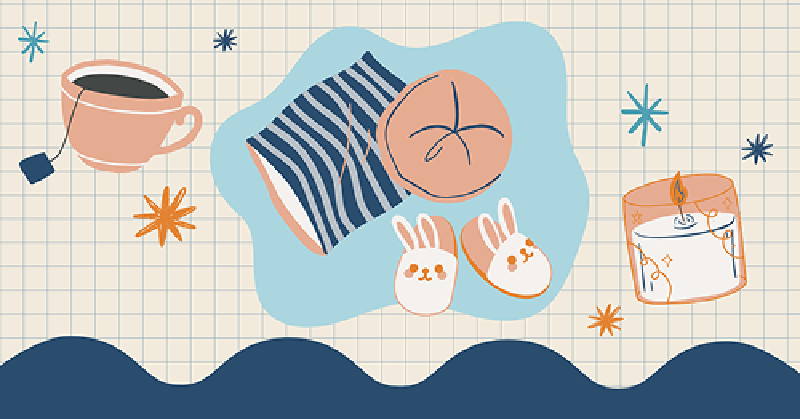
In the meantime, I urge you to simply bask in the warm, fuzzy feeling of your accomplishments, maybe while taking a bubble bath, listening to some calming lofi music and eating chocolate chip cookies fresh out of the oven. Or whatever your version of relaxing is. You’ve earned it.